Health & Safety Policy — Commercial Waste Removal Chigwell
Scope and Purpose
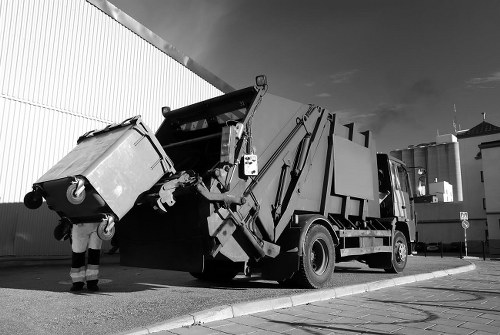 Commercial Waste Removal Chigwell and associated rubbish removal services operate to a clear health and safety policy designed to protect staff, clients, contractors and the public. This document outlines the responsibilities, procedures and controls we apply when delivering a commercial waste collection service in the company service area. It sets out how we manage risks associated with collecting, transporting and disposing of commercial rubbish from business premises.
Our aim is to maintain a safe working environment through active risk assessment, safe systems of work and continual training. The policy covers all operational activities including on-site waste handling, vehicle loading, hazardous waste segregation and depot operations. The obligations described here apply to all employees, agency staff and subcontractors engaged in commercial waste removal operations.
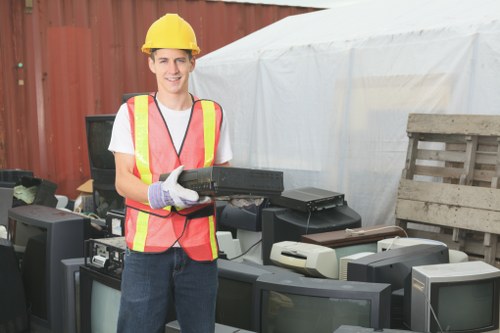 All personnel involved in waste collection and commercial rubbish clearance will receive induction training, relevant certifications where required and regular refresher sessions. Training emphasises manual handling, use of mechanical lifting aides, PPE requirements, safe vehicle access and avoidance of sharps and unknown substances. Supervisors will document competency checks and ensure compliance with standard operating procedures for each waste removal job.
Responsibilities and Management
Management retains overall responsibility for implementing this health and safety policy and providing necessary resources. Day-to-day responsibility is delegated to operations managers and site supervisors. Employees are required to follow instructions, report unsafe conditions and complete incident reports for any accidents, near misses or hazardous occurrences related to rubbish removal services.
 Risk assessments are completed prior to new contracts and reviewed periodically. Assessments address slips, trips and falls, vehicle movement, manual handling, lifting equipment, exposure to dust and airborne contaminants, and the handling of potentially hazardous commercial waste. Controls include job-specific method statements, exclusion zones during loading, and clear signage at pickup points.
We maintain a register of hazardous materials commonly encountered during commercial waste collection and a documented procedure for escalation and specialist disposal if required. Employees are instructed not to handle unknown chemical containers and to isolate such items pending expert assessment. The waste removal team follows strict segregation protocols to minimise cross-contamination and to comply with environmental obligations.
Operational Controls and Safe Work Practices
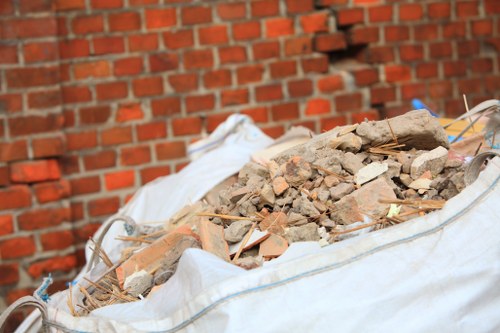 Vehicles used in our waste removal service are maintained under a scheduled programme to guarantee roadworthiness and safe operation. Drivers are trained on safe loading patterns, securing of loads and preventing shifting during transit. On-site, vehicle movement is managed through designated pedestrian routes and inspection points to reduce collision risk during commercial rubbish collection tasks.
Personal protective equipment is mandatory where risks are identified. Typical PPE includes high-visibility clothing, gloves resistant to sharps and chemicals, steel-toe boots and eye protection. Where noise or respiratory hazards exist, appropriate hearing protection and respirators are provided and used in accordance with the risk assessment. The rubbish company service area enforces PPE compliance and replacement standards.
We use written procedures and toolbox talks to communicate controls for specialist tasks such as bulky waste removal, compacting operations or dealing with medical waste. Emergency procedures, including spill response, first aid arrangements and fire response, are documented and rehearsed. Incident investigation seeks root causes and identifies corrective actions to prevent recurrence.
Monitoring, Review and Continuous Improvement
 The safety management system includes routine site inspections, audits of collection operations and periodic review of policies. Performance indicators such as incident rates, near-miss reporting frequency and audit compliance drive targeted improvements. Management review meetings consider these metrics and resource allocation for training, equipment upgrades and procedural updates.
Reporting procedures are clear: employees report incidents to supervisors immediately and submit written accounts for formal recording. All incidents are investigated with appropriate corrective and preventive measures tracked to closure. Lessons learned are incorporated into training and procedures for future commercial waste removal contracts.
Summary of key commitments:
- Provide a safe workplace for all staff, contractors and visitors engaged in waste removal operations.
- Assess and control risks associated with commercial rubbish collection and disposal.
- Deliver ongoing training and competence checks for operational personnel.
- Maintain vehicles and equipment to a high safety standard.
- Ensure prompt reporting, investigation and learning from incidents.
This policy is reviewed at least annually and revised as required to reflect operational changes, regulatory developments and improvements from our monitoring programme. Employees are encouraged to contribute ideas for safer working and to remain vigilant while undertaking all commercial waste removal activities in the service area.