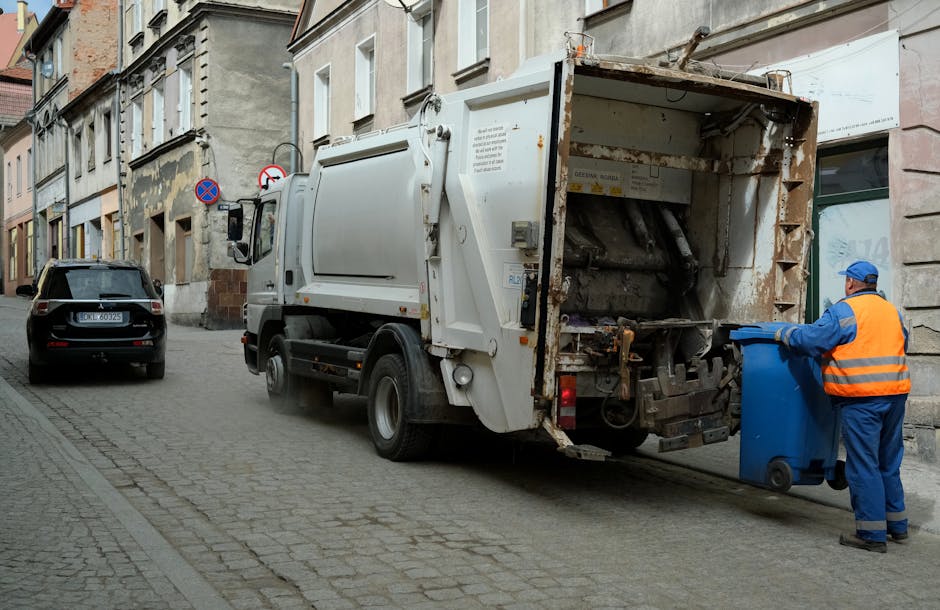
Chigwell IG7 rubbish removal guide for Hainault Road homes
If you live on or near Hainault Road in Chigwell IG7, rubbish removal can feel deceptively simple right up until the bins overflow, the garage fills with old bits and pieces, and the hallway starts looking like a temporary storage unit. This guide to Chigwell IG7 rubbish removal guide for Hainault Road homes is here to make the whole process clearer, calmer, and a lot less messy. You will find practical advice on what counts as rubbish removal, how the service usually works, what to watch out for, and how to choose the right approach for a house, flat, loft, garden, or post-renovation clear-out. Truth be told, the biggest win is not just getting rid of waste; it is doing it in a way that is safe, legal, and efficient.
For some jobs, a full-property solution is the cleanest route. For others, a targeted service like house clearance, home clearance, or loft clearance may be the better fit. Either way, knowing the basics helps you save time and avoid mistakes. And yes, it really can save you a backache too.
Table of Contents
- Why rubbish removal matters for Hainault Road homes
- How rubbish removal works in Chigwell IG7
- Key benefits and practical advantages
- Who this is for and when it makes sense
- Step-by-step guidance
- Expert tips for better results
- Common mistakes to avoid
- Tools, resources and recommendations
- Law, compliance, standards and best practice
- Options, methods and comparison
- Case study or real-world example
- Practical checklist
- Conclusion
- Frequently asked questions
Why Chigwell IG7 rubbish removal guide for Hainault Road homes Matters
Rubbish builds up in ordinary homes faster than people expect. One wardrobe upgrade becomes packaging, broken fittings, old clothes, and a couple of bags of "I'll deal with that later." A garden tidy becomes cuttings, bags of soil, and a rusty chair that has seen better decades. On a street like Hainault Road, where homes can have narrow driveways, shared access, or limited front space, the practical side matters even more.
The guide matters because local rubbish removal is not just about emptying waste. It is about handling access, timing, sorting, and disposal responsibly. You do not want waste left on the pavement, dumped in the wrong stream, or dragged through the property in a way that damages walls and flooring. A good clearance plan protects the home, protects your time, and keeps things straightforward.
It also matters because different types of waste need different treatment. A broken fridge is not treated the same way as garden cuttings. Old sofas are not treated the same way as plasterboard from a renovation. If you have mixed waste, separating what can be reused, recycled, or sent for specialist disposal makes the job smoother. That is where services such as waste removal and recycling and sustainability become part of the picture, not just extras.
Expert summary: The best rubbish removal jobs are planned before the first bag is lifted. A quick sort, clear access, and the right disposal route usually make more difference than people realise.
How Chigwell IG7 rubbish removal guide for Hainault Road homes Works
In practical terms, rubbish removal usually follows a simple flow: assess the waste, decide what stays and what goes, estimate how much there is, then arrange collection and disposal. Sounds easy enough. The tricky part is the detail.
For a home on Hainault Road, a standard visit often starts with an assessment of the items, whether they are in a front room, loft, garage, garden, or outside. Larger pieces such as wardrobes, mattresses, broken appliances, or dismantled furniture may need a different handling plan from general bags and mixed household clutter. If the job includes bulky items, the relevant specialist page can help you judge the service you need, such as furniture clearance, mattress and sofa disposal, or fridge and appliance removal.
Once the type and amount of waste are clear, the job is usually priced and scheduled. Many homeowners prefer a flexible collection rather than hiring a skip, especially where parking or access is tight. That is where skip alternatives can be useful. If you are comparing methods, it is worth checking what can go in a skip so you can judge whether a skip or a man-and-van style clearance is more suitable for your waste type.
Then comes the collection itself. A well-run team will load items carefully, separate reusable and recyclable materials where possible, and leave the space tidy. Sounds basic, but good clearing work feels almost invisible when it is done well. You simply notice the room again.
Key Benefits and Practical Advantages
The first and most obvious benefit is time. Clearing waste yourself can swallow a whole weekend, especially if you need to sort, bag, lift, transport, and unload it somewhere legal. A professional rubbish removal service removes multiple steps from the process. That matters when you are juggling work, school runs, or trying to sell, rent, or refurbish a property.
The second benefit is convenience. There is no need to worry about hiring the wrong size skip, making room for it, or dealing with permits and driveway obstructions. For many Hainault Road homes, convenience alone is reason enough to choose a direct collection service. If your waste is mostly domestic clutter, house clearance or flat clearance may be the simplest route. If the job is smaller and more targeted, a focused service is often enough.
Another benefit is safety. Heavy lifting, sharp edges, damp rubbish, broken glass, and old fixtures all increase the risk of injury. If you are moving awkward items down stairs or through narrow hallways, one wrong turn can mark a wall or twist a back. Not glamorous. Not fun. Avoidable, though.
There is also the environmental side. Responsible clearance providers aim to divert as much as possible away from landfill. Depending on the waste type, that can include sorting metals, wood, green waste, cardboard, hard plastics, and reusable furniture. If sustainability matters to you, take a look at the approach described in recycling and sustainability.
Finally, there is peace of mind. Knowing waste has been handled properly, especially if it includes electrical items or potentially sensitive materials, removes a surprising amount of stress. It is one less thing sitting in the corner of your head.
Who This Is For and When It Makes Sense
This kind of rubbish removal guide is useful for a wide range of Hainault Road households. If any of the following sounds familiar, you are probably in the right place.
- Homeowners clearing after a spring clean, move, or refurbishment
- Landlords preparing a property between tenancies
- Families dealing with loft, garage, or shed overflow
- People replacing bulky furniture or mattresses
- Home office users with old paperwork, equipment, and packaging
- Anyone who needs a fast, tidy solution without hiring a skip
It also makes sense when waste is mixed. For example, maybe you have a broken wardrobe, garden bags, old toys, some paint tins, and a pile of cardboard. That sort of mixed load is often awkward for DIY disposal because each item may need a different route. A combined removal service can be far more practical.
For workspaces inside the home, waste can be more specific. Think paper shredding, obsolete office items, packaging, or redundant equipment. In those cases, confidential shredding and office clearance may be useful references, especially if you are trying to clear a spare room that has slowly turned into a filing cave. We have all seen one of those.
And if the task is more about entire rooms than individual items, the broader services such as home clearance and garage clearance can be more appropriate than piecemeal hauling.
Step-by-Step Guidance
A sensible rubbish removal job usually works best when you tackle it in stages. Here is a straightforward way to plan it.
- Walk the property first. Check every area where waste has gathered: kitchen, loft, garage, shed, garden, under-stairs cupboards, and any spare room that has become a holding zone for random stuff.
- Separate the waste into categories. Keep general rubbish, furniture, garden waste, appliances, and hazardous items apart. This makes the job safer and can improve recycling outcomes.
- Identify bulky or specialist items. Sofas, fridges, old mattresses, and builders' debris need more thought than ordinary bags. If you have those items, use the relevant service guidance before booking.
- Measure access. Check gates, stairs, tight corners, parking space, and whether items need to be carried through the house. A quick look saves a lot of back-and-forth later.
- Decide whether you need a full clearance or a partial one. A single room may only need furniture disposal, while a renovation might call for builders waste clearance.
- Book the right date and be ready. If the waste is already sorted and accessible, the visit is usually much smoother. You will notice the difference straight away.
- Confirm disposal expectations. Ask how mixed waste is handled, whether recyclable items are separated, and what happens to specific goods.
If your plan includes garden material, check garden clearance. If you are dealing with awkward, heavy, or outdated items indoors, furniture disposal may be a better fit than trying to move everything yourself.
A small real-world tip: place items you definitely want removed in one visible zone. It sounds almost too simple, but it helps prevent the old "wait, was this staying or going?" confusion that can slow everything down.
Expert Tips for Better Results
The best rubbish removal outcomes usually come from a bit of preparation, not heroics. You do not need to turn the house upside down, just be intentional.
Tip 1: Sort before the team arrives. A few minutes of sorting can make the collection more efficient. Put obvious recyclables together where possible, and keep anything hazardous separate.
Tip 2: Clear access routes early. Move shoes, planters, bikes, and other small obstacles out of the way. Narrow hallways on busy mornings can become chaotic fast.
Tip 3: Keep fragile items labelled. If there are things you want to keep, label them clearly. Nothing fancy. A marker pen and a piece of tape are enough.
Tip 4: Ask about restricted items. Some items need specialist handling. If you have chemicals, oils, paint, or unusual materials, a dedicated hazardous waste disposal route may be required rather than a standard clearance.
Tip 5: Be realistic about time. A tidy two-bag job is one thing. A full loft, garage, or shed can take longer than expected. To be fair, clutter always grows larger when you start lifting it.
Tip 6: Think about the next step. If the space will be used differently after the clearance, have a quick plan for what comes next. Painting, storage shelving, or a reorganisation can be easier to do while the room is empty.
For homeowners with appliances to remove, remember that old white goods are not just "big rubbish." They may need separate handling, and the right route can save time and reduce hassle. The same goes for worn-out seating; if a sofa is too damaged for reuse, mattress and sofa disposal is usually the cleaner option.
Common Mistakes to Avoid
Most rubbish removal problems come from rushing. That is the honest version. People guess the volume, assume everything can be mixed together, or forget access constraints until the day of collection.
Leaving sorting until the last minute is probably the biggest mistake. When everything is in one pile, you spend time untangling what is recyclable, reusable, or specialist. That is not ideal if the room already looks like a storage avalanche.
Underestimating bulky items is another one. A sofa, cabinet, or wardrobe can occupy more space than several bags of general waste. It is worth thinking in terms of footprint, not just item count.
Ignoring hazardous materials can create safety and compliance problems. Paint, solvents, certain electrical components, and contaminated materials should not be treated as ordinary household rubbish.
Blocking access is surprisingly common too. A quick pile-up in front of the gate or a parked car in the wrong place can turn a simple collection into a frustrating delay.
Choosing the wrong service type can be costly in time and effort. For example, a garage packed with mixed household items may need garage clearance rather than a general pickup. A renovation project may fit builders waste clearance better. Matching the job to the service matters.
And one more thing: do not assume every item can just be thrown into the nearest container. It sounds obvious, but in the rush to get the mess gone, people sometimes forget that disposal rules still apply.
Tools, Resources and Recommendations
You do not need specialist equipment for most home clear-outs, but a few simple tools help.
- Strong refuse bags for loose household waste
- Work gloves for handling rough or dusty items
- Tape and labels for separating keep and remove piles
- A torch for lofts, sheds, and darker corners
- A tape measure for checking bulky furniture and access points
- Boxes for small loose items that could otherwise scatter
For planning, the most useful "resource" is a clear view of the waste itself. Walk through the property slowly and make notes. That quick 10-minute review can prevent a lot of guesswork later. If you are unsure whether a skip or collection is better, what can go in a skip is a practical place to compare limitations before deciding.
For price planning, use the information on pricing and quotes to understand what usually affects the cost: load size, item type, access, and the amount of sorting required. Avoid any provider that seems vague about what is included. Clear pricing is just better. Simple as that.
If you care about secure payments, it is also sensible to review payment and security. For trust and service standards more broadly, about us, insurance and safety, and health and safety policy are the kinds of pages that help you understand how a provider operates.
Law, Compliance, Standards and Best Practice
Rubbish removal in the UK is not just a matter of hauling things away. Waste has to be handled lawfully and responsibly, especially where commercial or specialist materials are involved. For domestic homeowners, the main point is simple: use a provider that treats waste properly and does not cut corners.
Best practice usually means the following:
- Waste is transported by a competent, responsible team
- Items are sorted where possible for reuse or recycling
- Hazardous materials are separated and handled appropriately
- Waste is not fly-tipped or dumped in an improper location
- Customers get clear information about what is and is not included
If a job touches on sensitive information, an old printer, archive boxes, or redundant paperwork, confidential handling becomes important. That is where confidential shredding is relevant, especially for home offices and small businesses working from residential properties.
For property owners, another practical standard is insurance awareness. If waste removal involves carrying items through the home, up stairs, or around tight access, it is reasonable to ask how damage and safety are managed. That is not being fussy; that is just sensible. You are letting someone move heavy things through your space, after all.
Also, if a job includes electrical appliances or potentially refrigerant-containing items, these are usually not treated the same way as standard household waste. The same principle applies to paints and chemicals. When in doubt, separate them and ask before collection.
Options, Methods and Comparison
For Hainault Road homes, the main choice is often between hiring a skip, doing a DIY run to a disposal site, or booking a collection service. Each one has a place.
| Method | Best for | Pros | Cons |
|---|---|---|---|
| Collection service | Mixed household waste, bulky items, quick clear-outs | Fast, convenient, less lifting, minimal disruption | May cost more than doing it yourself for very small loads |
| Skip hire | Ongoing renovation waste or very large volumes | Useful for longer projects, can stay on-site | Needs space, may need permissions, loading is your job |
| DIY disposal | Small volumes and flexible schedules | Can be cheaper for tiny loads | Time-consuming, vehicle-heavy, physically demanding |
For many homes, collection is the sweet spot. It is especially useful where parking is awkward, waste is a mix of different item types, or the job needs finishing quickly. If you are clearing a loft, spare room, or garage, that convenience can be worth a lot.
Skip hire may still be the right answer for long-running renovation work. But for one-off household clutter, the balance often favours a direct collection. In simple terms, choose the method that best fits the mess, not the other way round.
Case Study or Real-World Example
A typical Hainault Road scenario goes like this. A family has finished redecorating the downstairs rooms and suddenly discovers the garage is packed with old shelving, a cracked cabinet, cardboard boxes, a broken desk, and a fridge that stopped working months ago. There is also some garden waste from trimming back the borders. Nothing dramatic individually, but together it feels huge.
They start by separating the waste into piles: furniture, appliance, cardboard, and green waste. They measure the garage access, check the side passage, and move anything they want to keep into a labelled corner. That alone makes the space feel less overwhelming.
Next, they use the right service mix rather than trying to force everything into one category. Furniture is handled through furniture clearance, the appliance is dealt with separately, and the garden material is grouped appropriately. The result is quicker loading, less confusion, and a cleaner end result.
The interesting part is not the waste itself. It is the relief after the job. The garage stops being the family's "we'll sort it later" room and becomes usable again. A shelf goes up the same afternoon. The bike fits. Small win, but a real one.
Practical Checklist
Use this checklist before you book rubbish removal for a Hainault Road home.
- Walk through every room, loft, garage, shed, and garden area
- Separate keep, donate, recycle, and remove piles
- Identify bulky items, appliances, and anything hazardous
- Check access routes, gates, stairs, and parking
- Measure large furniture if you are unsure it can be moved safely
- Decide whether you need house clearance, home clearance, or a more specific service
- Keep fragile or personal items clearly marked
- Ask how mixed waste will be sorted and handled
- Review pricing, payment, and safety information before booking
- Make sure the area is ready on the day of collection
If you are dealing with multiple rooms, it can help to write a quick room-by-room list. Kitchen, loft, garage, garden, front room. Tick them off as you go. There is something satisfying about that, even if the process is a little grim at first.
Get a free quote today and see how much you can save.
Conclusion
Good rubbish removal for Hainault Road homes is really about making a complicated job feel manageable. Once you know what you are clearing, how the access works, and which service fits the waste type, the rest becomes much easier. You avoid the common mistakes, keep things safer, and make a cleaner space without turning the day into a marathon.
Whether you need a general waste removal service, a full property clearance, or help with a specific category of item, the smartest move is to plan first and lift second. A little organisation goes a long way. And after the last bag is gone, you get that quiet, satisfying feeling of a room ready to breathe again. Honestly, that part never gets old.
When the clutter is finally out of the way, the house feels lighter. That is usually the moment people realise how much the mess had been weighing on them.
Frequently Asked Questions
What does rubbish removal usually include for Hainault Road homes?
It usually includes collecting and disposing of household clutter, bulky items, bagged waste, and mixed waste from rooms such as lofts, garages, gardens, and spare bedrooms. The exact scope depends on the provider and the type of waste.
Is rubbish removal better than hiring a skip?
For many homes, yes. A collection service is often easier when access is tight, the waste is mixed, or you want the job done quickly without loading everything yourself. Skips can suit longer renovation projects, though.
Can old furniture be taken away with other household waste?
Sometimes, yes, but it is better to separate bulky items where possible. Furniture can be awkward to move and may be better handled through dedicated furniture clearance or furniture disposal services.
What should I do with old mattresses or sofas?
Keep them separate from general waste if possible. Large soft furnishings are best dealt with through a specific service such as mattress and sofa disposal, which is usually better than trying to add them to a mixed load.
Can appliances like fridges be removed too?
Yes, but appliances often need special handling. Fridges and similar items may need their own route because of electrical and cooling components, so fridge and appliance removal is the sensible option.
What if I have paint, chemicals, or other hazardous items?
Do not mix them with normal household rubbish. Hazardous waste disposal should be handled separately because those materials need the correct treatment and should not be loaded with everyday waste.
How do I prepare my home before a rubbish removal visit?
Sort items into piles, clear access routes, label anything that must stay, and keep bulky waste easy to reach. A little prep usually makes the collection quicker and less stressful.
Will rubbish removal disturb the rest of the house?
It should not if the waste is properly staged and access is planned. Good preparation helps protect floors, walls, and door frames, especially in narrower hallways or staircases.
Is rubbish removal suitable for loft or garage clear-outs?
Yes, very much so. Loft clearance and garage clearance are common reasons homeowners book rubbish removal because those spaces often accumulate a mix of old furniture, boxes, and forgotten items.
How can I tell if I need house clearance rather than basic waste removal?
If you are clearing multiple rooms or a whole property, house clearance is usually more appropriate. If it is a smaller one-off load, standard waste removal may be enough.
What happens to the waste after collection?
It depends on the type of material, but responsible providers will separate items for reuse, recycling, or suitable disposal wherever possible. Mixed waste is typically sorted rather than all going to the same place.
Can I get rubbish removed from a flat as well as a house?
Yes. Flat clearance is often useful where access is via stairs, lifts, or shared entrances. The key is to plan the movement carefully so neighbours and communal areas are not disrupted.
Where can I learn more about prices, safety, and booking?
You can review pricing and quotes, insurance and safety, and book online to understand the process and next steps. If you have questions about the company itself, the about us page is also helpful.
What is the biggest mistake people make with rubbish removal?
The biggest mistake is leaving everything until the day of collection and assuming it will sort itself out. Waste always feels smaller in your head than it does in the hallway. A bit of sorting beforehand saves time, money, and stress.
If you are ready to clear space and move on, take the first step while the job still feels manageable. A tidy home starts with one bag, one room, one decision at a time.